

Product care
Made to be worn, and worn well.
Fine jewellery is meant to be lived in. A few quiet habits keep every stone bright and every setting secure, so your piece looks as it did the day it arrived, for a lifetime and the ones that follow.

-
Last on, first off
Put your jewellery on after perfume, lotion and hairspray, and take it off first at the end of the day.
-
Kept apart
Store each piece on its own, so harder stones never scratch softer ones.
-
Gently cleaned
Warm water, a drop of mild soap and a soft brush are all most pieces need.
-
Looked after
If a stone feels loose or a claw catches, stop wearing the piece and write to us.
I
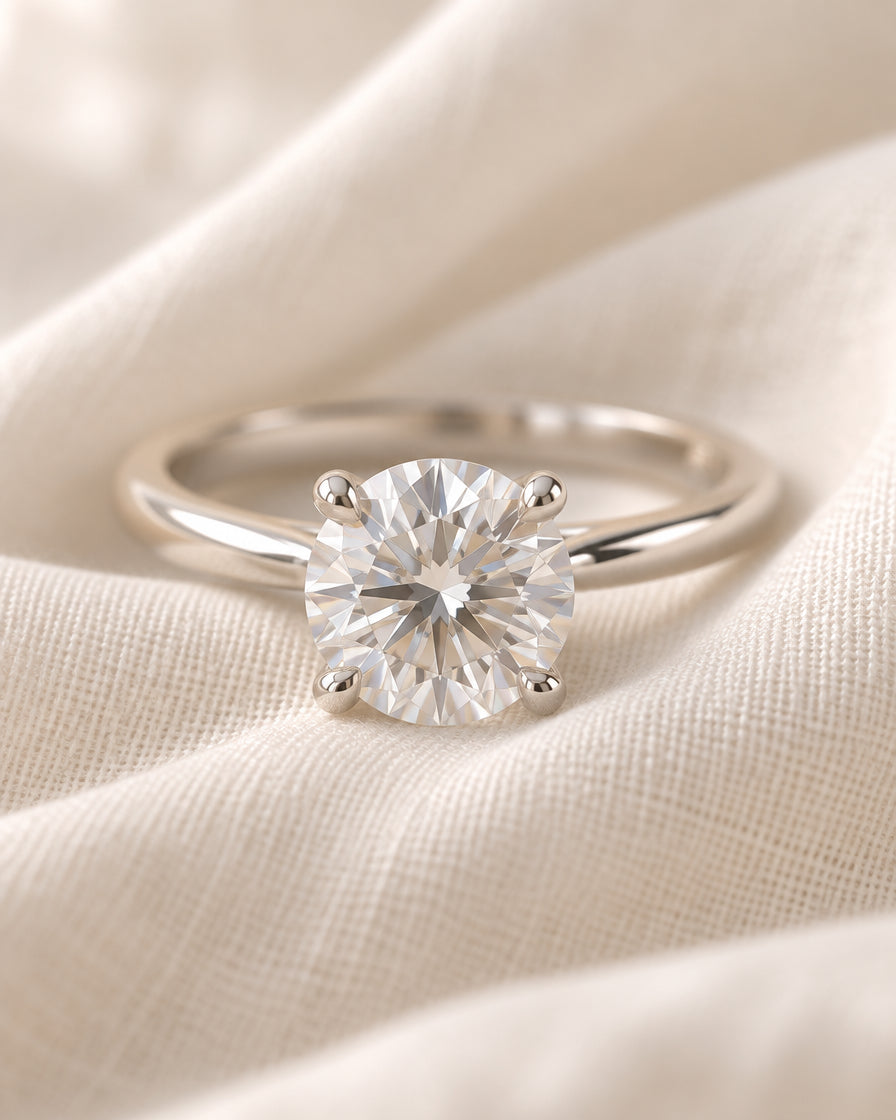
Diamonds & moissanite
Diamond is the hardest natural material, and moissanite is close behind. That strength is exactly why they need a little care.
- Store each piece separately, in the box it arrived in or a soft fabric pouch. A diamond can scratch other diamonds, gemstones and precious metal.
- Clean regularly. Hand cream and skin oils collect behind the stone and quietly dull its fire.
- Hard is not unbreakable. A sharp knock can chip a diamond, so take rings off for the gym, gardening and heavy lifting.
II
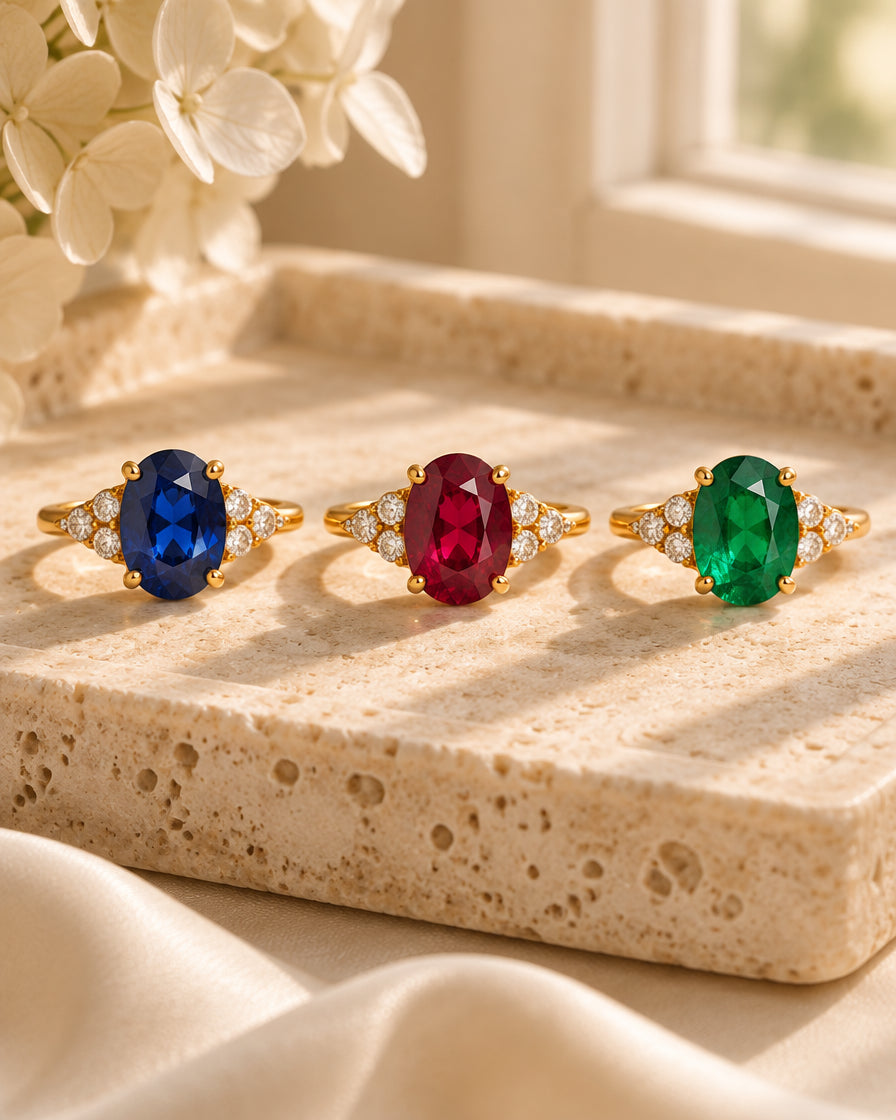
Coloured gemstones
Sapphires, rubies, emeralds and onyx each have their own character, and their own needs. Lab-grown and natural stones are cared for in the same way.
- Sapphire and ruby are very durable and can be cleaned just like diamonds.
- Emerald is more delicate. Avoid ultrasonic and steam cleaners, hot water and sudden changes in temperature. Wipe it with a soft, lint-free cloth.
- Onyx is softer and slightly porous. Wipe it with a soft, damp cloth, never soak it, and keep it away from perfume and household chemicals.
- Keep coloured stones apart from diamonds, which can scratch them.
III
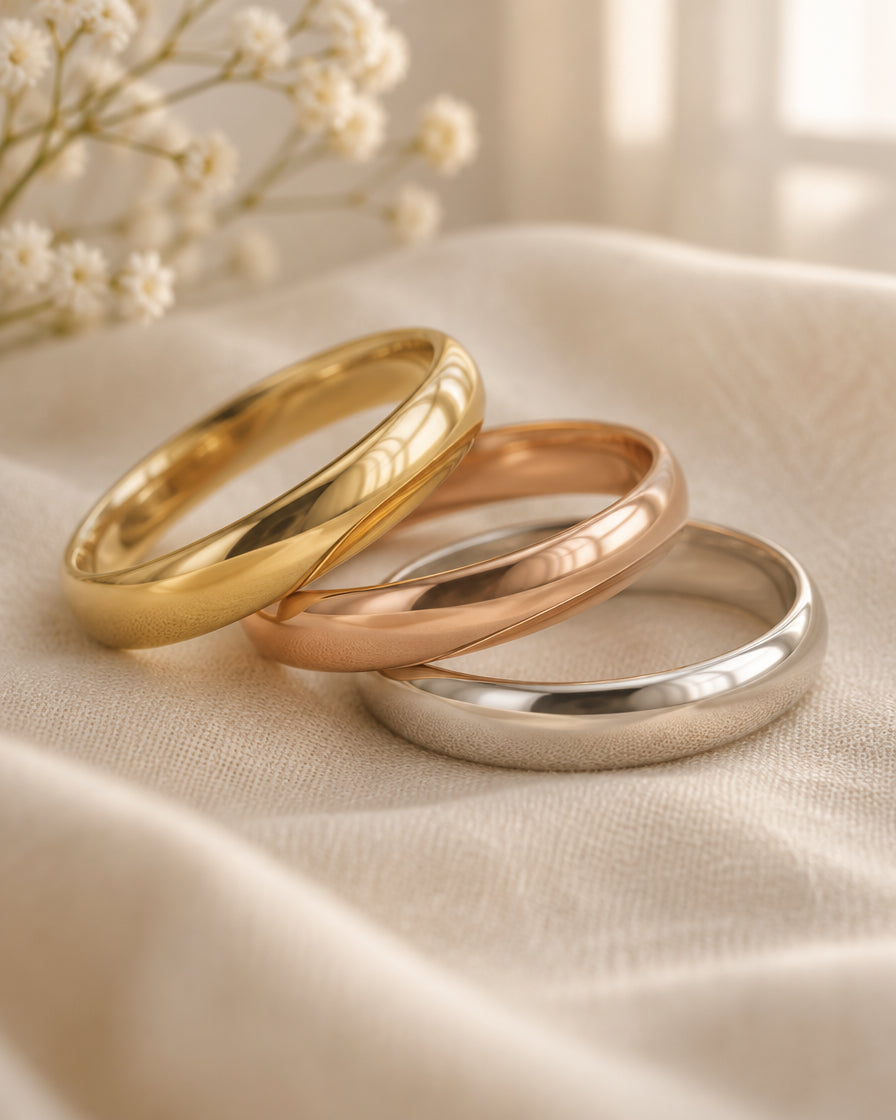
Gold & platinum
Precious metals soften and glow with wear. A few habits keep them looking their best.
- 18K gold is warm and rich, and softer than everyday metals. Polish it with a soft cloth to keep its glow.
- Take your jewellery off before swimming, hot tubs and cleaning. Chlorine and bleach can discolour and weaken gold.
- White gold can be finished in rhodium on request for an even brighter, whiter shine. See the rhodium chapter below for how to care for it.
- Platinum develops a soft natural patina. Many people love it; a professional polish restores the mirror shine.
- Where you can, wear gold and platinum pieces apart. Metals of different hardness can mark one another.
IV
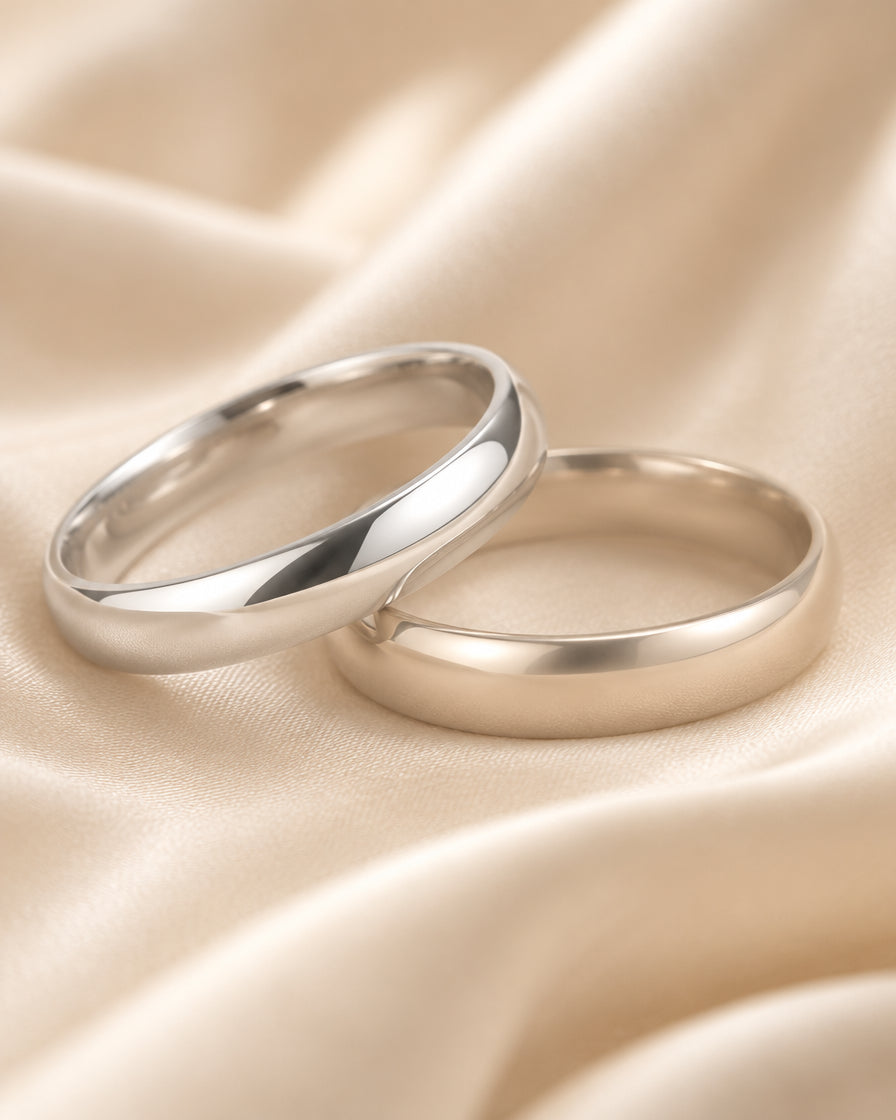
Rhodium-finished white gold
If you asked for a rhodium finish on your white gold, your piece wears a fine layer of rhodium, a bright precious metal. It gives that crisp, mirror-white shine, and like all fine finishes it asks for a little extra care.
- Expect it to soften with wear. Rhodium is a thin layer, so it gradually wears away where a piece rubs most, such as the underside of a ring band. Earrings and pendants keep their finish far longer than rings worn every day.
- Keep it from chemicals. Chlorine, bleach, hair dye, cleaning products and even some perfumes and lotions can dull the finish. Put jewellery on last and take it off first.
- Clean softly. Use warm water, a drop of mild soap and a soft brush, then pat dry. Avoid polishing cloths treated with cleaning compounds and anything abrasive, as they can wear the rhodium away.
- Avoid friction. Take rings off for the gym, sport and manual work, and store the piece on its own so nothing rubs against it.
- Watch for a warm tone. When the natural, softly golden colour of white gold begins to show through, usually first on the inside of a ring, it is time to refresh the finish.
A rhodium finish can be renewed. If yours is beginning to fade, write to us and we will advise you on re-plating your piece.
V
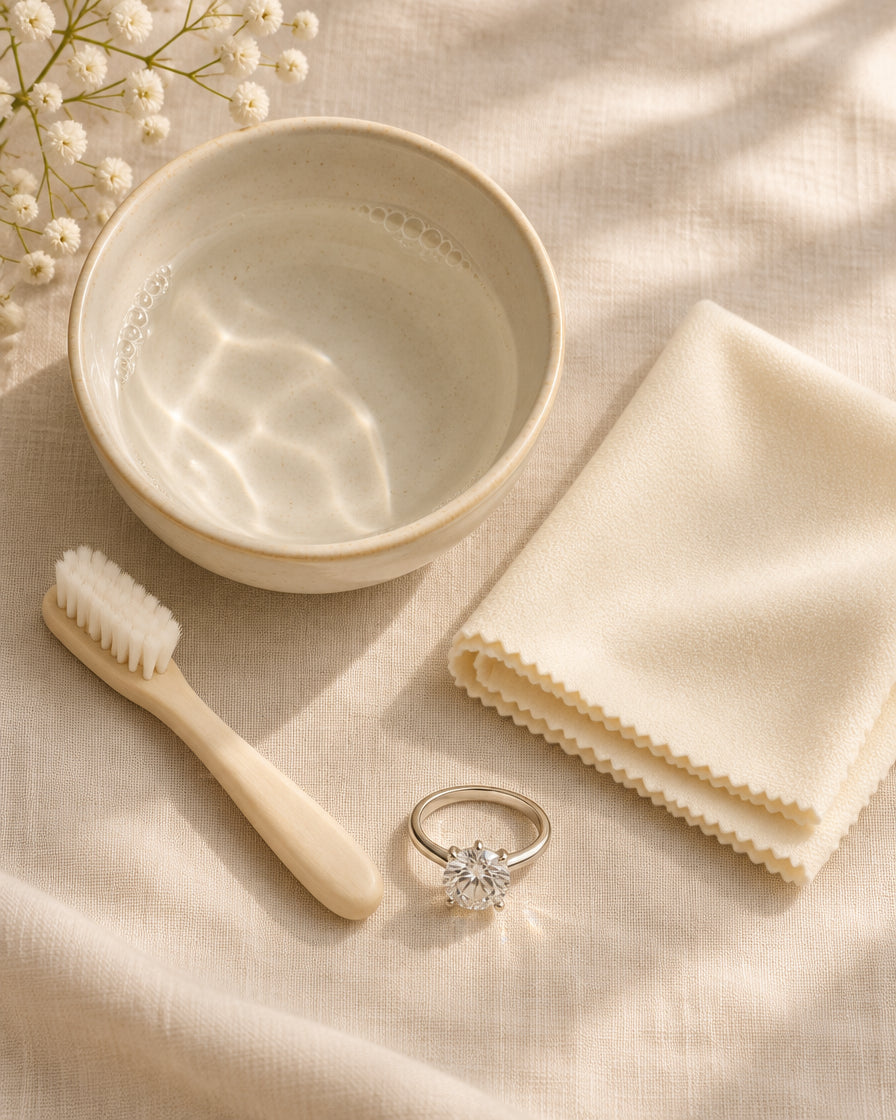
Cleaning at home
For diamonds, moissanite, sapphires and rubies set in gold or platinum.
- Soak the piece for a few minutes in warm water with a drop of mild, unscented soap.
- Brush gently with a soft toothbrush, paying attention to the back of the stone and beneath the setting.
- Rinse under warm running water, with the sink plugged.
- Pat dry with a soft, lint-free cloth.
Never use toothpaste, bleach, alcohol or abrasive powders. Emeralds and onyx should only be wiped, never soaked.
VI
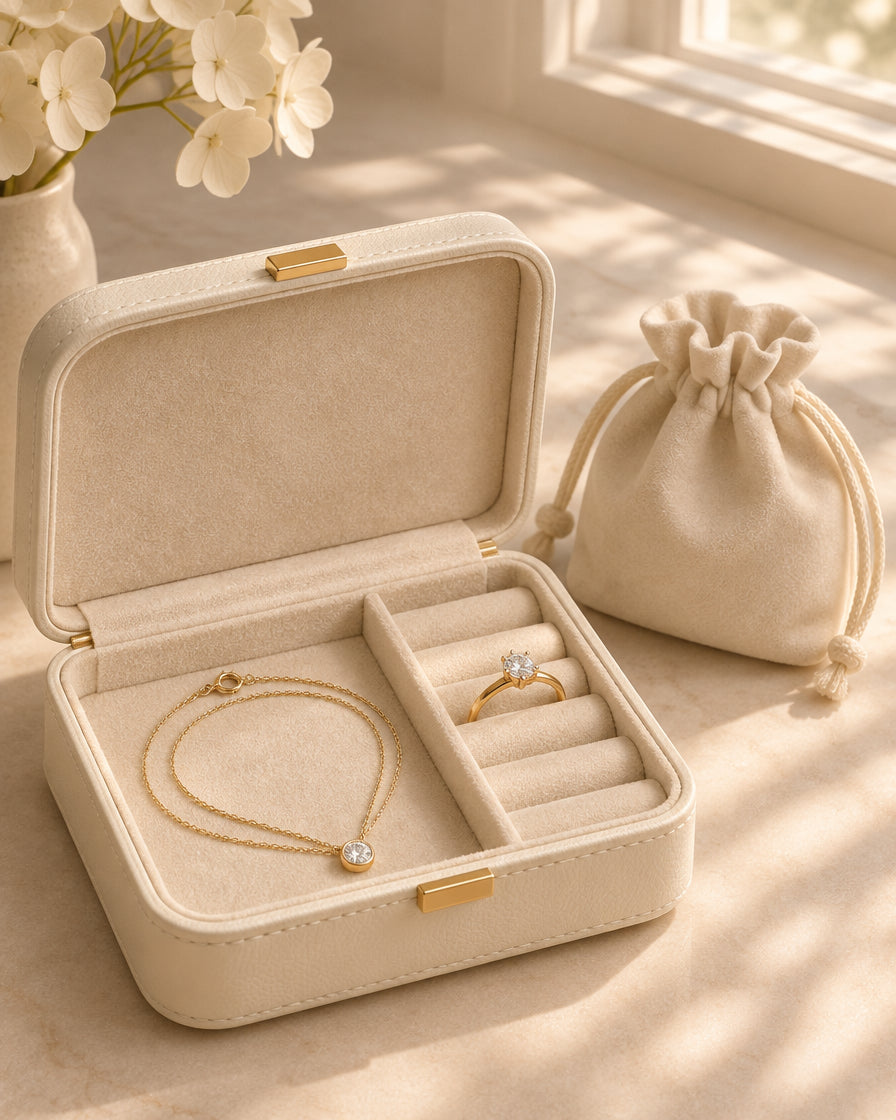
Storage & travel
Where your jewellery rests matters as much as how it is worn.
- Give each piece its own compartment or pouch.
- Fasten necklaces and bracelets before putting them away, so chains never tangle.
- Travel with jewellery in a padded case in your carry-on, never in checked luggage.
- Keep pieces away from humidity and direct sunlight.
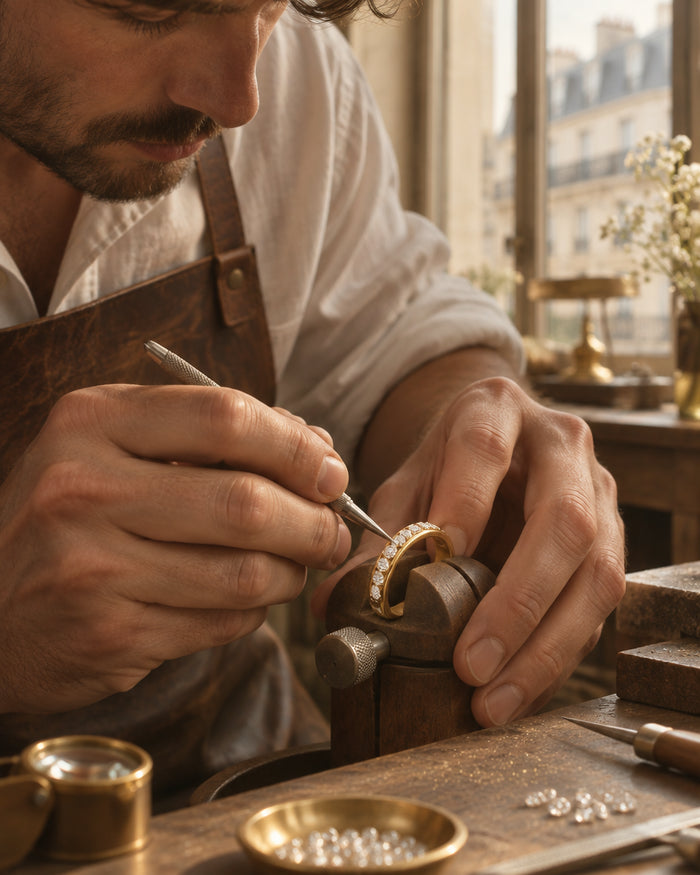
Atelier care
When it needs more than a polish
If a stone feels loose, a claw catches on fabric or a clasp feels weak, stop wearing the piece and write to us. We will advise you on the next step.